
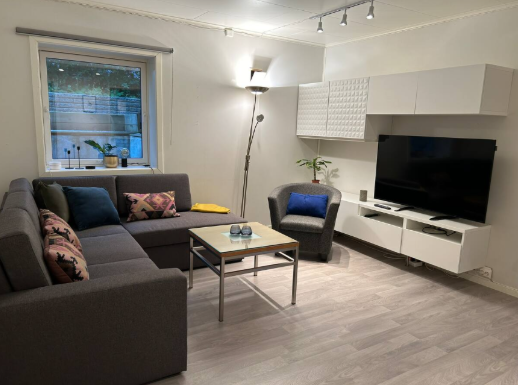
As a landlord, one crucial decision you’ll face is whether or not to furnish your rental property. This choice affects everything from rental income and tenant turnover to maintenance costs and insurance coverage. While furnished rentals can command higher rates and appeal to certain types of tenants, they also bring added responsibilities.
In this detailed guide, we’ll explore the pros and cons of furnishing a rental property—so you can decide what’s right for your investment strategy.
The Pros of Furnishing Your Rental Property
1. Higher Rental Income
Furnished rentals typically command higher rents than unfurnished ones. In cities with transient populations, such as students or corporate employees, furnished units are especially attractive. According to Northern Feeling, a furnished property can earn 15% to 20% more in long-term leases and up to 50% more in short-term rentals compared to an unfurnished unit.
This premium rent can lead to faster ROI and higher cash flow—especially in tourist-heavy or business-centric areas.
2. Broader Tenant Appeal
Furnishing your property can expand your tenant pool to include:
-
- Students
-
- Traveling nurses
-
- Corporate relocations
-
- Digital nomads
-
- Temporary residents
Belong explains that fully furnished units offer a turn-key experience, which is incredibly appealing to tenants who don’t want the hassle of buying or moving furniture.
3. Reduced Vacancy Periods
Since furnished rentals appeal to those looking for convenience, they can rent out faster. Action Properties notes that the ease of moving in often reduces vacancy time, which means more consistent rental income.
4. Possible Tax Benefits
In many cases, you can depreciate furnishings and claim deductions for items like furniture, electronics, and appliances. According to Canadian Real Estate Magazine, landlords may also deduct maintenance or replacement costs. Always check with a qualified tax advisor to understand what applies in your area.
The Cons of Furnishing Your Rental Property
1. Higher Upfront Costs
Furnishing even a modest rental unit can cost thousands of dollars. You’ll need to budget for:
-
- Bedroom sets
-
- Living room furniture
-
- Kitchenware
-
- Appliances
-
- Décor and accessories
Wilmoth Group points out that the initial cost is one of the most significant deterrents for landlords—especially if the property isn’t guaranteed to attract higher-paying tenants.
2. Ongoing Maintenance and Replacement
Furniture and appliances come with wear and tear. Even with responsible tenants, items will need regular upkeep. Belong notes that landlords must be prepared to replace or repair damaged furnishings more frequently.
3. Less Appeal to Long-Term Tenants
Long-term tenants often want to furnish their own space. According to Agreed, families and professionals planning to stay several years may bypass furnished properties altogether.
This means you might miss out on reliable, long-term renters who would otherwise be ideal tenants.
4. Greater Risk of Damage
Tenants are generally less careful with furniture that isn’t theirs. Spills, scratches, and broken items can reduce the property’s appeal over time. You can collect a higher security deposit, but that may not always cover all potential damage (Wilmoth Group).
5. Higher Insurance Costs
With more valuables inside the unit, your landlord insurance premium will likely increase. Serving San Diego County explains that you’ll need additional contents coverage to protect against theft, fire, or tenant-related damage.
Things to Consider Before Furnishing
1. Your Target Tenant
Your property’s location and target demographic play a big role. For instance, if you’re renting in a suburban neighborhood attractive to families, an unfurnished space may be more appropriate. On the other hand, downtown apartments near business districts or universities could thrive as furnished rentals.
Horizon Lets recommends doing local market research to determine what your likely tenant base prefers.
2. Budget and ROI
Ask yourself:
-
- How much will it cost to furnish the property?
-
- How much more rent can I reasonably expect?
-
- How often will I need to replace items?
Furnishing only makes sense if the higher rental income outweighs your additional costs in the long run.
3. Maintenance and Management Capabilities
Managing a furnished rental requires time and effort. Items must be inspected, cleaned, and repaired between tenants. If you’re using a property manager, expect to pay slightly higher management fees for furnished units (Action Properties).
4. Legal and Safety Requirements
Some jurisdictions have specific rules for furnished rentals. For example, you might be required to:
-
- Provide fire-retardant furniture
-
- Include inventory checklists
-
- Ensure appliances meet safety standards
Agreed emphasizes the importance of compliance to avoid disputes or penalties.
Conclusion
Furnishing your rental property comes with both clear advantages and potential pitfalls. It’s ideal for short-term or transitional tenants and can significantly boost your rental income—if managed correctly. However, it also means taking on greater costs, liability, and ongoing maintenance.
To decide what’s right for you:
-
- Research your local rental market
-
- Calculate your expected ROI
-
- Consider your management bandwidth
-
- Stay informed on local laws and insurance needs
Ultimately, whether or not you furnish your rental should align with your long-term property investment goals.
FAQs
Q1: Can I charge more for a furnished rental?
Yes, furnished properties typically attract higher rents—especially in markets with short-term demand like cities and college towns.
Source: Northern Feeling
Q2: Do furnished properties rent faster?
Generally, yes. The convenience of a move-in-ready space attracts renters looking for flexibility.
Source: Action Properties
Q3: Can I deduct furniture costs on taxes?
You may be able to depreciate furniture and write off maintenance. Consult a tax expert.
Source: Canadian Real Estate Magazine
Q4: Are there insurance options for furnished rentals?
Yes, but you’ll need contents coverage in addition to basic landlord insurance.
Source: Serving San Diego County
Q5: Should I furnish for long-term tenants?
Not always. Long-term renters often prefer to use their own furniture and may be turned off by a fully furnished space.
Source: Agreed
Questions about turning your property into a rental?
Call us at (949) 229-3071 to learn from a property manager with real experience.
Check Out Our other blogs!
Top Ten Tips to Make Your Rental Property More Eco-Friendly
Top 5 Red Flags to Watch for During Tenant Screening
The Evolution of of Smart Home Technology For Rental Properties in Southern California